

Download Supplementary Materials
2026 Appendices
Access the 2026 Report Infographics
View NVR Results Dashboard
November 2026




National Vascular Registry: purpose and scope
The National Vascular Registry evaluates the patterns of care and outcomes for adults who had major vascular procedures in NHS hospitals. It aims to support vascular services to provide high quality of care for these people by providing information for benchmarking, sharing examples of good practice, and highlighting areas of unwarranted variation in care which merit further investigation. This 2026 State of the Nation report examines the variation in care across NHS vascular units and contains key findings for emergency (non-elective) and elective vascular procedures performed during 2025, along with information on the outcomes of procedures performed between January 2023 and December 2025.
The NVR evaluates patterns of care against recommendations selected from national guidelines related to the management of people with vascular conditions. From these guidelines, the NVR, in consultation with its professional and patient advisory groups, developed five quality improvement (QI) goals and associated indicators, which are described in the NVR Quality Improvement (QI) Plan. The “Provision of Services for People with Vascular Disease (POVS)” published by the Vascular Society of Great Britain & Ireland provides an overarching framework for benchmarking, and additional standards originate from publications by the National Institute for Health and Care Excellence (NICE), European Society of Vascular Surgery, national screening committee, and UK governments.
One of the key measures of success in the latest POVS document, is whether care is delivered consistently, in a timely manner and safely. These are all aims of the NVR and are focuses of this report.
How to read this report
Results are typically presented as totals and/or percentages, medians and interquartile ranges (IQR). In a few instances, the percentages do not add up exactly to 100%, which is due to the rounding up or down of the individual values. Unless otherwise stated, results are presented for all four UK nations.
For clarity of presentation, the terms NHS trusts and (vascular) units have been used to describe both NHS trusts and Local Health Boards. A list of NHS vascular units for which results are published is available on the VSQIP website, together with more details of the audit methods. An online glossary is available to explain some of the more technical or medical terms used in this report.
Supplementary materials for this report are available at: www.vsqip.org.uk. These include a description of the audit methods, data tables and an interactive dashboard containing individual NHS trust/health board results on the key NVR metrics, as well as the results for each UK country. The dashboard webpage includes a map showing the location of every vascular unit in the UK, including whether they are a hub or spoke for vascular surgery. This enables ICBs in England to work out which vascular trusts fall within their area. The website also provides access to:
- infographics for each of the main procedure types
- links to resources that support local services’ quality improvement initiatives
- links to other sources of information about vascular conditions.
Recommendations
| NVR Key Recommendations | Audience | Results in 2025 | National guidance/standard |
|---|---|---|---|
| 1) Review policies / protocols on delivering time-to-treatment standards for critical limb threatening ischaemia (CLTI), carotid endarterectomy (CEA), and elective aortic aneurysm (AAA) repair, to clarify evidence-based achievable minimum standards, resourcing, and best practice in triage / prioritisation. | VSGBI, BSIR National AAA screening programmes. | Time from admission to revascularisation for CLTI: median = 5 days. 50% of patients have their revascularisation within 5 days Time from admission to CEA: median = 14 days. 52% of patients are treated within 14 days. | VSGBI Peripheral Arterial Disease (PAD) QIF European Society for Vascular Surgery (ESVS) advise CEA is within 14 days of symptoms. |
| 2) All audience groups should review the NVR data on antiplatelet-/statin-prescription levels among patients seen at the surgical units in their area, and investigate opportunities to improve secondary prevention of cardiovascular disease for surgical patients both pre- and post-surgery. Combined cardiovascular risk factor clinics should be utilised where possible. | Integrated Care Boards (working with Trusts), Local Health Boards, Vascular Networks. | The proportion of patients on antiplatelet and statin medications on admission was typically between 70% and 80% across the five common procedures, which was lower than expected. | Cardiovascular disease (CVD) modern service framework (MSF): a cardiovascular-kidney-metabolic approach ESVS Guidelines for CLTI, AAA and Carotid |
| 3) Improve the provision of day surgery for all clinically appropriate lower limb endovascular procedures and other suitable vascular procedures, and ensure that its use is monitored and benchmarked across vascular units. | Integrated Care Boards (working with Trusts), Local Health Boards, Vascular networks. | 57.5% of elective endovascular lower limb revascularisation procedures were performed as day cases in 2025. There was substantial variation in the proportion of elective procedures done as day cases. | 2024 GIRFT National Day Surgery Delivery Pack Provision of Interventional Radiology Services 2023 |
| 4) Examine Multi Disciplinary Team (MDT) decision making and network pathways across vascular surgery, interventional radiology and anaesthesia, in order to reduce unwarranted variation in the treatment of patients with infra-renal AAA and PAD within different vascular units. | Integrated Care Boards (working with Trusts), Local Health Boards, Vascular Networks | For elective repair of intact infrarenal AAA, endovascular repairs account for >80% of repairs at some units, and <50% at others. For lower limb bypass: hybrid procedures accounts for >40% of procedures at some units, and <15% at others. | NICE guideline NG156 recommendation 1.6: Repairing ruptured aneurysms. The Provision of Services for Patients with Vascular Disease.November 2024 |
| 5) Ensure discharge and rehabilitation planning begin before major amputation with a named discharge coordinator, optimal rehabilitation services, and appropriate repatriation arrangements where needed. | Providers in conjunction with Integrated Care Boards and Vascular Networks, Local Health Boards | The median length of stay for major amputation was ≤19 days among the 25% of units with the shortest typical stays, and ≥29 days for the 25% of units with the longest typical stays. 81% of patients were referred to rehabilitation or limb fitting services within 2025. | VSGBI A Best Practice Clinical Care Pathway for Major Amputation Surgery NCEPOD Lower Limb Amputation: Working Together |
1. Overview of arterial procedures performed in NHS vascular units
The arterial procedures performed by NHS vascular units are typically grouped into three main areas:
- Procedures for peripheral arterial disease (PAD) of the lower limbs to manage a range of symptoms, notably pain whilst walking or at rest, ulceration and gangrene. Revascularisation procedures improve blood flow in the legs to alleviate these symptoms, and they can be performed using open surgery, endovascular techniques or a Combined Open with Endovascular Revascularisation procedure (COWER, also known as a hybrid procedure). PAD may become sufficiently severe for people to require a major amputation of a leg, either above or below the knee.
- Procedures to repair an aneurysm in the aorta. These aneurysms frequently occur below the arteries to the kidneys, known as an infrarenal Abdominal Aortic Aneurysm (AAA).
Carotid endarterectomy (CEA) is performed to remove plaque that has built up within the carotid arteries (the main vessels that supply blood to the brain, head and neck), with the aim of reducing the risk of stroke. It is performed in people who have recently experienced symptoms, but it can also be performed in people with no symptoms when the carotid arteries are partially blocked.
In 2025, there were 63 vascular units that performed all (or most) of the procedures. An additional 32 units performed lower limb endovascular procedures. Within the Vascular Networks, these 32 spoke units refer people who require the other procedures to the 63 hubs.
In 2025, the number of procedures submitted to the NVR were:
- 9,124 lower limb endovascular procedures (5,700 elective and 3,424 non-elective)
- 6,634 lower limb bypass or open procedures (3,894 elective and 2,740 non-elective). Of these, 2,604 were hybrid revascularisations
- 3,620 major lower limb amputations (1,697 above knee (AKA) and 1,923 below knee (BKA))
- 2,112 elective repairs for intact infrarenal AAA (729 open repair, 1383 endovascular repair (EVAR))
- 2,643 carotid procedures, of which 2,493 were for patients with symptomatic disease.
These numbers illustrate the shift over the last 10 years in the relative volumes of these procedures. While the volumes of lower limb procedures have been relatively stable, the numbers of elective repairs of infrarenal AAA and carotid procedures have fallen from 4,153 and 4,330, respectively, in 2016.
Levels of case-ascertainment for procedures performed in 2025 were generally high (Table 1). Rates of case-ascertainment for lower-limb endovascular procedures remain a concern. Fewer than one-third of units had ascertainment of at least 85%, while over half submitted data on less than 50% of activity. Ascertainment levels were markedly lower for lower limb endovascular (angioplasty / stent) than for bypass procedures, particularly for units in Scotland. The values of more than 100% for Wales reflect current problems within the PEDW dataset that provides the comparison with the NVR data (i.e. missing vascular procedures – which Wales are working to rectify). The ‘true’ case ascertainment for the surgical procedures in Wales estimated to be between 90% and 100%, with lower limb endovascular slightly lower.
Table 1: Levels of case-ascertainment for procedures performed in 2025, by type of procedure (2023-2025 for emergency repair of ruptured AAA)
| Type of procedure | England | Wales | Scotland | Northern Ireland |
| Carotid endarterectomy | 81% | >100% | 48% | 97% |
| Elective repair of intact AAA | 85% | >100% | 63% | 98% |
| Emergency repair of ruptured AAA | 84% | >100% | 70% | 97% |
| Lower-limb bypass | 91% | >100% | 37% | 99% |
| Lower-limb endovascular | 61% | >100% | 8% | 86% |
| Major amputation | 85% | >100% | 35% | 88% |
2. Patterns of care for the common procedures across vascular units
Procedures performed within vascular units
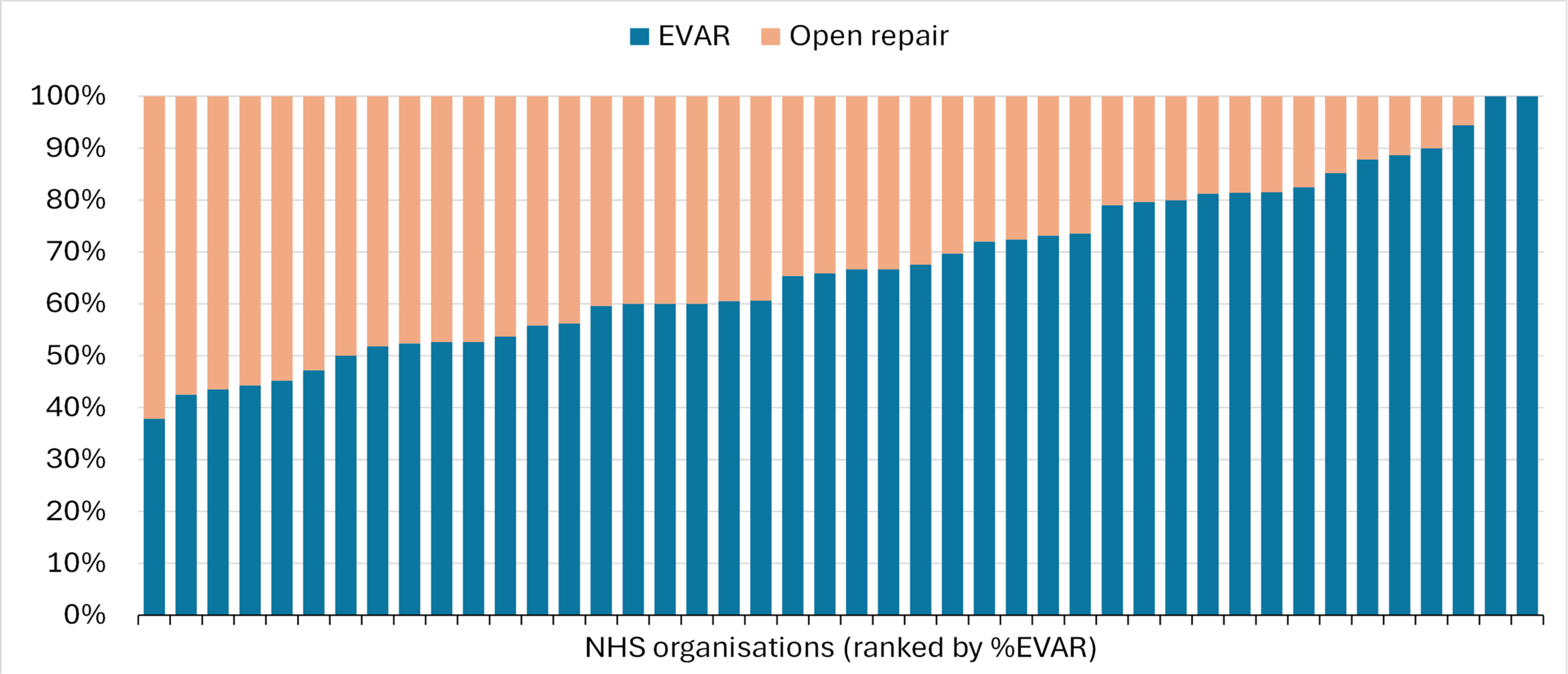
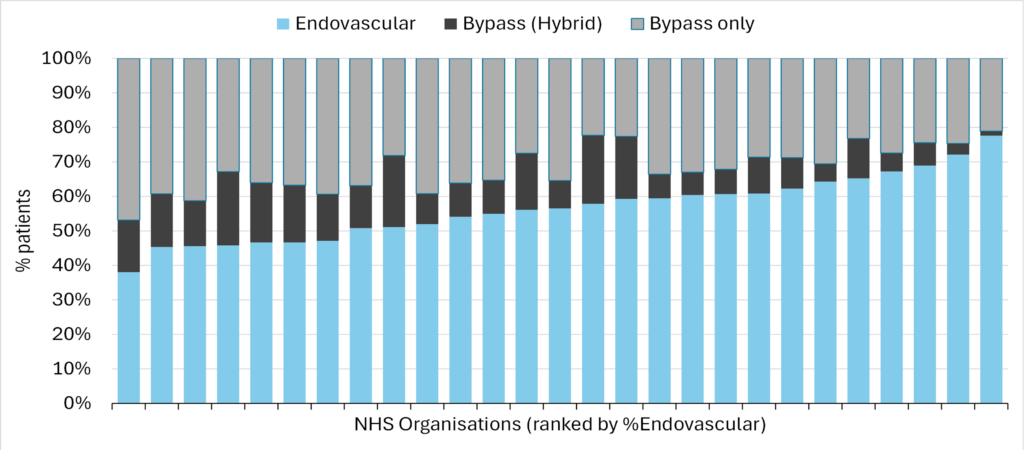
The mix of procedures within vascular units differed considerably, even after accounting for the potential influence of different levels of case-ascertainment for each type of procedure. Some variation will reflect different incidence rates within communities as well as the size of the vascular unit. Another source of variation is likely to reflect local decision making. There was variation in the ratio of bypass and endovascular lower-limb revascularisation procedures, with endovascular procedures accounting for around 70% of lower-limb revascularisations at some units while being approximately 50% at others. Other differences across units reflected the choice of techniques used for specific procedures, as illustrated in Figure 1. For elective repair of intact infrarenal AAA, EVAR accounted for more than 80% of repairs at some units, and less than 50% at others. For lower limb bypass, hybrid procedures accounted for more than 40% of procedures at some units, and less than 15% at others.
Figure 1: Variation in the procedures performed within vascular units for elective repair of infrarenal intact AAA (EVAR or open repair) and for the revascularisation of a lower limb (bypass, endovascular, or hybrid).
Elective repair of intact infrarenal AAA*
Revascularisation of a lower limb**
* Organisations with >75% case ascertainment for elective repair of intact AAA
** Organisations with >75% case ascertainment for bypass and endovascular procedures
Time to treatment
There are four standards that define recommended times to treatment for patients with vascular conditions (Table 2). Three standards relate to conditions that require urgent / semi-urgent treatment: carotid endarterectomy to reduce risk of stroke, revascularisation after emergency admission for chronic limb threatening ischaemia (CLTI), and major lower-limb amputation. A fourth standard was defined by the National AAA Screening Programme (NAAASP). It recommends that, for at least 80% of people suitable for an elective repair of their intact AAA, the time from the date of referral to the date of repair is within 8 weeks. This standard has been used by the NVR for all elective repairs of intact infrarenal AAA.
Meeting these time-to-treatment standards remains challenging. During 2025, only for major amputation were a substantial proportion of patients treated within the standard (Table 2). The standards for the two other non-elective conditions were only met for around 1 in 2 patients. The proportion of patients that met the time to treatment standards at each unit is summarised in Table 3. Across the four waiting-time standards, there was a modest tendency for units that performed well against one standard to perform comparatively well on the others. This suggests that some unit-level factors – such as pathway organisation, capacity, coordination and access to theatre or interventional services – may contribute to the performance against these standards across different vascular procedures. However, variation in performance suggests that vascular services need support to overcome barriers to timely treatment. We recommend stakeholders work together to clarify evidence based achievable minimum standards, and share best practice in triage / prioritisation in order to achieve them.
Table 2: Performance against time to treatment standards in 2025
| Procedure | Standard | Proportion of patients treated within standard | Median (IQR) time to treatment (days) |
| Carotid endarterectomy | Surgery within 14 days of symptoms | 52.3% | 14 (9 to 24) |
| Emergency admission for CLTI | Revascularisation within five days of admission | 50.3% | 5 (3 to 9) |
| Major lower-limb amputation | Surgery within 30 days of assessment | 81.7% | 9 (3 to 28) |
| Elective repair of intact infrarenal AAA | Surgery within 8 weeks of referral (56 days) | 35.1% | 78 (43 to 136) |
Table 3: Number of vascular units grouped by the proportion of patients that met the time to treatment standards for the 54 vascular hubs that performed all the four types of procedure during 2025
| Proportion of patients that met the time to treatment standard | |||||
| 0-20% | >20%-40% | >40%-60% | >60%-80% | >80%-100% | |
| Carotid endarterectomy | 2 | 14 | 16 | 17 | 5 |
| Emergency admission for CLTI | 1 | 11 | 26 | 15 | 1 |
| Major lower-limb amputation | 0 | 0 | 1 | 21 | 32 |
| Elective repair of intact infrarenal AAA | 8 | 27 | 15 | 3 | 1 |
Pre-operative medication administration
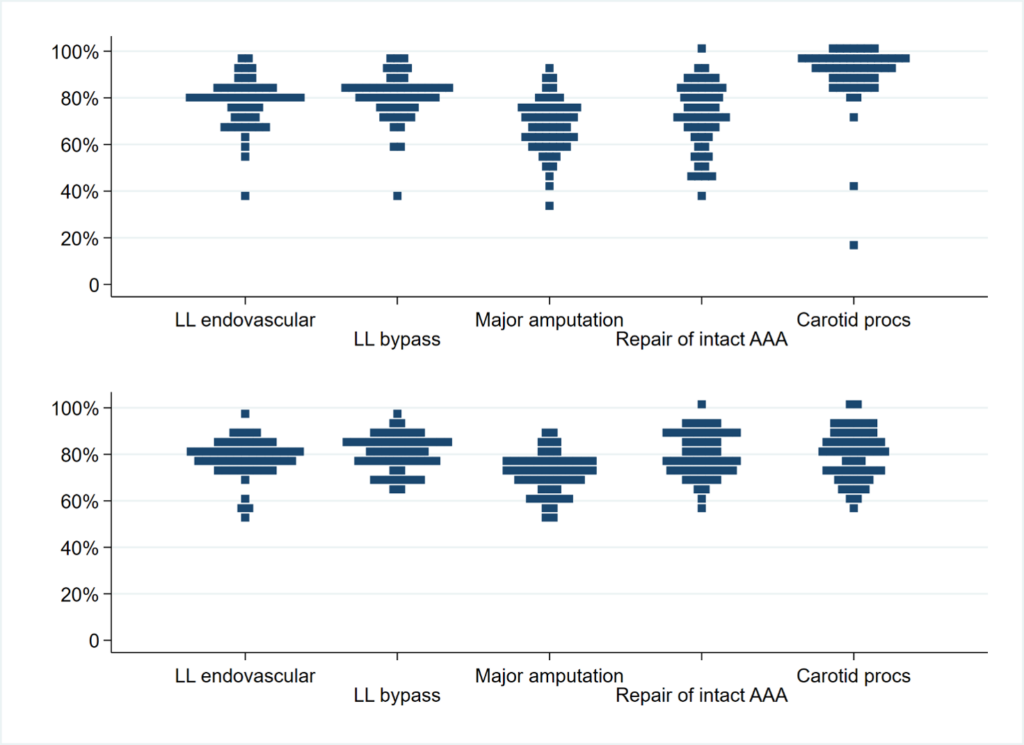
The proportion of patients who were recorded as on antiplatelet and statin medications on admission is collected for each of the five common procedures. Prevention is a key target for the NHS 10-year plan, and these medications play a central role in reducing the risk of adverse cardiovascular events (such as stroke and myocardial infarction) and patients admitted for elective procedures could have been prescribed these prior to the admission. Overall, the proportion of patients on these medications was typically between 70% and 80% across the five common procedures (Table 4).
There was considerable variation between vascular units in the proportion of people on these medications (Figure 2). Some variation is expected because treatment reflects individual clinical circumstances, including contraindications, intolerance, and the use of alternative antithrombotic therapy. Nevertheless, these medications are appropriate for most people with vascular disease, and the variation across procedure groups flags an opportunity for improving secondary prevention of cardiovascular disease.
Table 4: Overall proportions of patients on preoperative medication when admitted in 2025
| Lower limb endovascular | Lower limb bypass | Major lower limb amputation | Elective repair of intact AAA | Carotid endarterectomy | |
| Antiplatelet | 73.3% | 80.3% | 65.8% | 72.8% | 90.1% |
| Statins | 74.1% | 81.0% | 71.8% | 79.6% | 80.4% |
Figure 2: Proportion of individuals recorded on antiplatelet (top) and statin medication (bottom) at their preoperative vascular assessment in 2025 by vascular unit
Pre-procedure planning
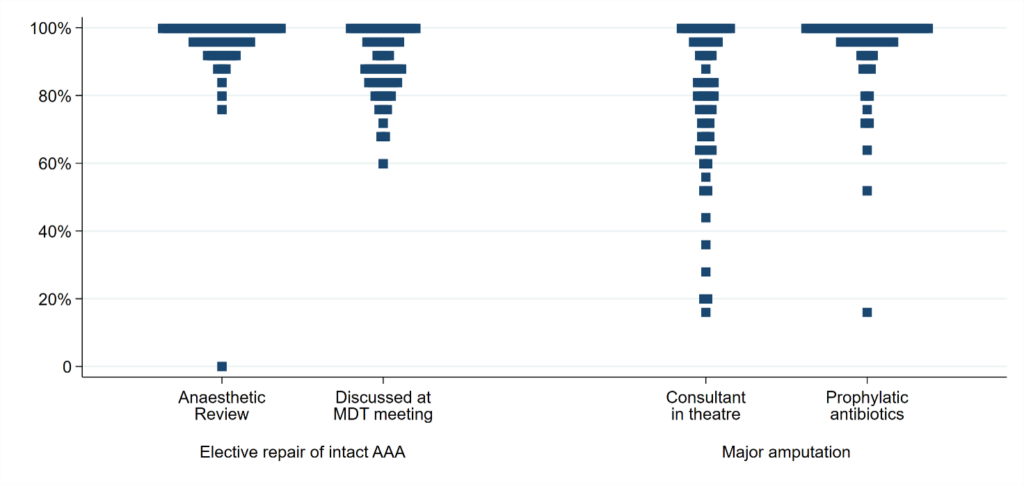
The NVR has focused on established recommendations for specific aspects of the preoperative care pathway that relate to two procedures. In 2025, most vascular units performed well across the indicators used to evaluate the care pathways, although the performance of some units requires improvement. The first indicators relate to people having elective repair for an intact infrarenal AAA. Seven vascular units reported that less than 90% of patients had a formal anaesthetic review, and 50% of vascular units discussed patients in an MDT meeting in less than 90% of cases.
The second set of indicators relates to people who have major lower-limb amputation. For these patients, it is recommended that a consultant surgeon should operate or be present in theatre to supervise the procedure; and that patients should have prophylactic antibiotics routinely. In 61 vascular units that performed this procedure in 2025, there was little variation in the use of prophylactic antibiotics, although 12 units reported less than 90% of patients received this medication. There was greater variation in the presence of a consultant in theatre; 25 units achieved this recommendation for at least 90% of patients, but 7 units achieved this for less than half their patients.
Figure 3: Proportion of individuals whose pre-procedure planning corresponded to guideline recommendations in 2025 by vascular unit.
Short-term postoperative mortality
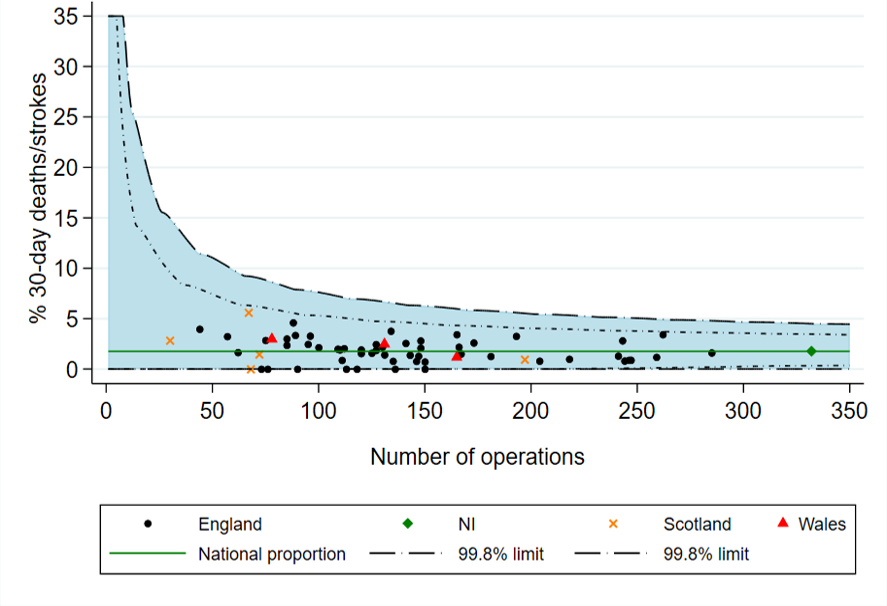
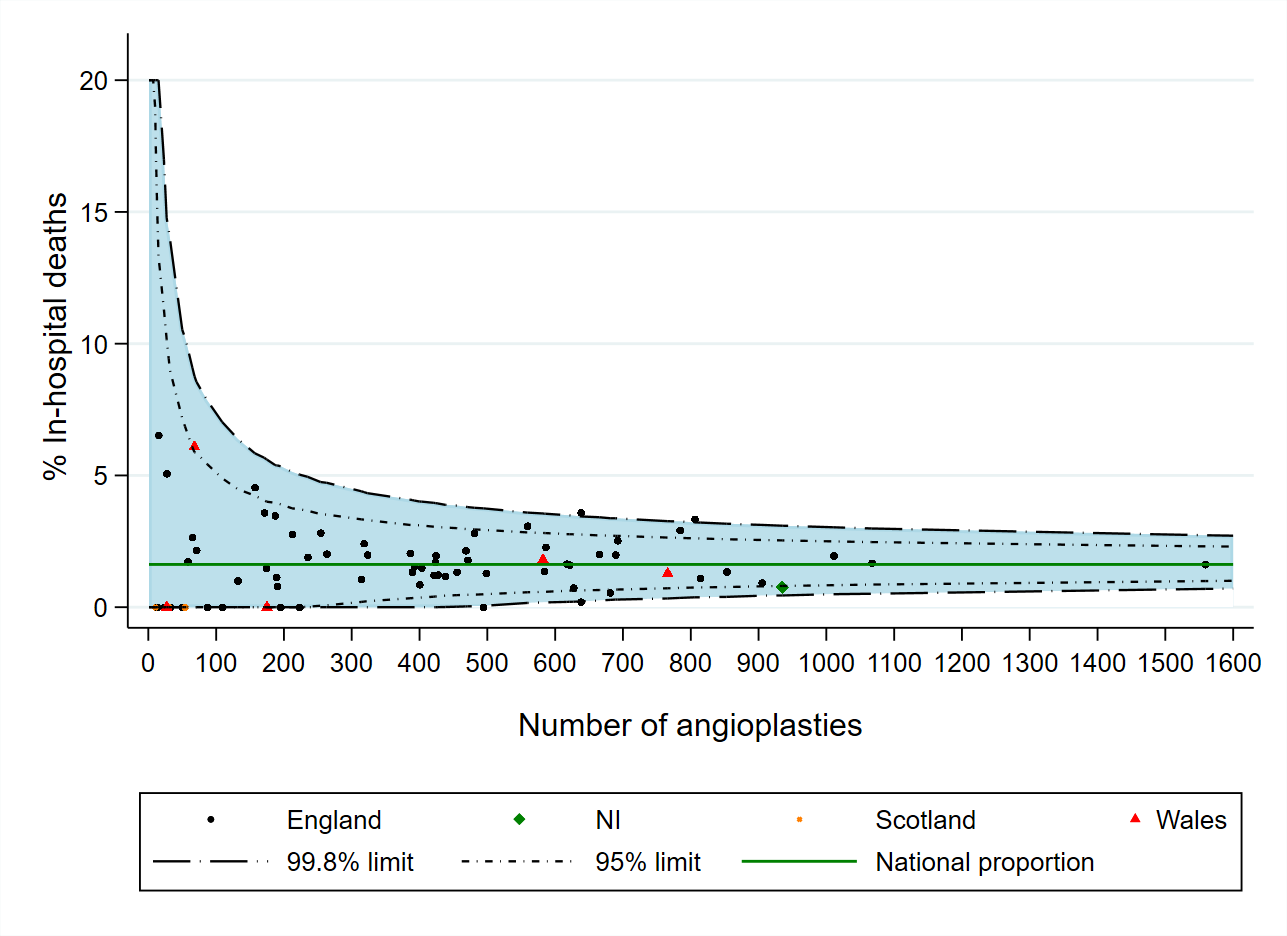
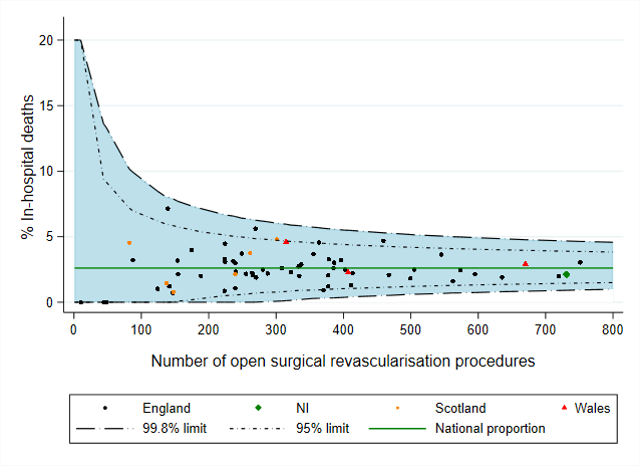
Key measures of safety for vascular units to benchmark themselves against are the short-term postoperative rates of mortality. The postoperative mortality indicators for each vascular unit were risk-adjusted and were derived from procedures performed between 2023 and 2025 to provide sufficient volumes for robust statistics.
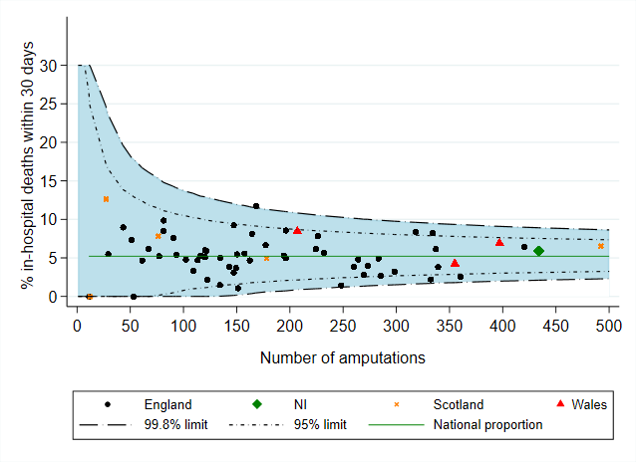
TRENDS IN MORTALITY: Overall, rates of in-hospital postoperative mortality have remained low for elective lower limb revascularisation and elective repair of intact infrarenal aneurysms (Table 5). Amputation remains a procedure with a comparatively high risk, but the postoperative in-hospital mortality rate within 30 days has fallen over the last 10 years (8.3% in 2014-16 compared to 5.2% in 2023-25).
VARIATION BETWEEN UNITS: For elective repair of intact infrarenal aneurysms, all NHS units had an adjusted in-hospital mortality rate that fell within the expected range of the overall rate (1.3% for the UK during Jan 2023 to Dec 2025). There were also no NHS organisations outside the expected range for carotid endarterectomy or lower limb bypass procedures. In the NHS organisations that performed lower limb angioplasty / stents, all but two had a risk-adjusted in-hospital postoperative mortality rates within the expected range. For lower limb major amputation, all but one organisation had a risk adjusted mortality rate within the expected range.
Table 5: Postoperative mortality indicators by procedure and type of admission for procedures performed in 2025. These correspond to in-hospital mortality unless otherwise stated.
| Short-term postoperative mortality indicators | ||||
| Procedure | No. of patients (2025) | Overall (%) | Subgroup | |
| Lower limb bypass | 6,634 | 2.6 | Elective = 1.2% | Emergency = 4.5% |
| Lower limb endovascular | 9,124 | 2.0 | Elective = 0.9% | Emergency = 3.9% |
| * Major lower limb amputation | 3,620 | 4.3 | Above = 6.2% | Below = 2.8% |
| Elective repair of intact AAA | 2,112 | 1.2 | Open = 2.7% | EVAR = 0.4% |
| ~ Carotid endarterectomy | 2,643 | 1.7 | ||
* In-hospital within 30 days; ~ Stroke /death within 30 days
Figure 4: Risk-adjusted postoperative mortality rates among NHS vascular units that performed at least 10 or more of the selected procedures for the three-years between January 2023 and December 2025
Length of stay (LOS) and other postoperative outcomes
BED USE: Each vascular unit has a distinct pattern of bed use that reflects its mix of procedures because an individual’s length of stay will reflect the type of procedure, operative approach, and urgency (Table 6). Elective lower limb endovascular interventions and carotid endarterectomy are predominantly short-stay procedures. In contrast, open lower-limb surgery and major amputation are associated with prolonged admissions, and can include a substantial preoperative component. Immediate use of critical-care beds is most common after elective open repair of intact AAA and after lower-limb bypass procedures. Major amputation, both above and below knee, have the longest typical hospital stays despite most patients returning directly to a ward.
The greatest variation in median length of stay across vascular units was observed among patients who had a major amputation. The median LOS was 19 days or less among the 25% of units with the shortest typical stays, and 29 days or more for the 25% of units with the longest typical stays. For other procedures, vascular units had similar patterns of stay for the various types of procedure, and their overall bed use was driven more by the mix of procedures (and operative technique) than the typical LOS of stay for a procedure. However, the use of day-case facilities for lower limb endovascular revascularisation was variable across units. Among 60 units that treated at least 10 patients, 10 admitted less than 30% of patients to a day-case unit, while 26 admitted more than 70%. The proportion of day cases among elective endovascular procedures is slightly lower than observed in previous years, when the annual proportion was consistently around 60% between 2021 and 2023. Finally, we note there were smaller but important variations in median length of stay figures across units for the other procedures and opportunities to reduce durations of stay for patients should not be overlooked.
Table 6: Summary of length of stay and postoperative destinations for vascular procedures performed in 2025
| Length of stay (days) | Post-op destination | |||||
| Procedure | Overall median (IQR) | Post-op median (IQR) | Day-case unit | Ward | Level 2: HDU/PACU | Level 3: ICU |
| Lower limb endovascular revascularisation | ||||||
| Elective | 0 (0 – 1) | 0 (0 – 1) | 51.7% | 46.4% | 1.7% | 0.2% |
| Non-elective | 13 (7 – 25) | 6 (2 – 16) | 5.2% | 91.6% | 1.7% | 1.5% |
| Lower limb bypass revascularisation | ||||||
| Elective | 5 (3 – 8) | 4 (3 – 7) | 1.2% | 69.5% | 23.4% | 5.9% |
| Non-elective | 14 (9 – 25) | 8 (5 – 17) | 0.1% | 68.6% | 21.4% | 9.9% |
| Major amputation | ||||||
| Above knee | 23 (14 to 38) | 15 (9 to 26) | 0.0% | 82.4% | 8.0% | 9.5% |
| Below knee | 23 (14 to 38) | 15 (9 to 25) | 0.0% | 89.1% | 6.9% | 4.1% |
| Elective repair of intact infrarenal AAA | ||||||
| Open | 8 (6 to 10) | 7 (6 to 10) | 0.0% | 2.3% | 57.5% | 39.8% |
| EVAR | 2 (1 to 3) | 1 (1 to 2) | 0.0% | 65.1% | 31.1% | 3.8% |
| Carotid procedures | 2 (1 to 4) | 2 (1 to 3) | 0.0% | 55.4% | 41.0% | 3.6% |
POSTOPERATIVE COMPLICATIONS: For many procedures, patients may experience postoperative complications or require further care after their initial hospital stay (Table 7). These patterns highlight that units with a different mix of vascular procedures will have substantially different workloads beyond the mix of index operations. Higher complication rates after open repair of infrarenal AAA, non-elective lower-limb bypass and major amputation are likely to increase demands for critical-care and general ward staff as well as prolonging length of stay.
SHORT-TERM READMISSION: Readmissions add a further workload burden. Rates of readmission within 30 days were about 5% after CEA and elective AAA repair, but were around 10–12% after elective lower-limb revascularisation, and 17–20% after non-elective lower-limb procedures. This highlights how lower-limb revascularisation can require unplanned episodes of care to manage recurrent ischaemia, infection, and repeat intervention in addition to the planned continuity of care for patients.
Table 7: Proportion of patients with selected postoperative short-term outcomes for vascular procedures performed in 2025
| Procedure | No defined complications | Further unplanned procedure | Re-admission within 30 days |
| Endovascular revascularisation | |||
| Elective | 93.7% | 4.1% | 10.0% |
| Non-elective | 84.5% | 23.1% | 19.9% |
| Open bypass revascularisation | |||
| Elective | 84.8% | 8.4% | 11.7% |
| Non-elective | 72.8% | 21.2% | 17.1% |
| Major amputation | |||
| Above knee | 73.5% | 6.8% | 10.3% |
| Below knee | 75.9% | 10.0% | 11.2% |
| Elective repair of intact infra renal AAA | |||
| Open | 73.3% | 7.3% | 6.2% |
| EVAR | 93.6% | 1.7% | 5.2% |
| Carotid procedures | 91.1% | 2.7% | 5.5% |
3. Complex aortic procedures performed at specialist centres
Complex aortic procedures are undertaken for people with aneurysmal or other aortic disease that extends above the renal arteries. These procedures may involve open repair of complex aneurysms in the chest and/or abdomen, as well as advanced endovascular techniques (described below). Because these procedures require specialist expertise, multidisciplinary planning and access to complex endovascular and perioperative services, they are concentrated in specialist vascular units across the UK.
A summary of the volume of cases, postoperative lengths of stay and postoperative outcomes are provided in Table 8. In addition to emergency repair of a ruptured AAA, the principal procedures are:
- REPAIR OF THORACIC AORTIC CONDITIONS for people who suffer from a thoracic aortic aneurysm or aortic dissection. These people are often treated using a thoracic endovascular aortic repair (TEVAR), performed in either a cardiothoracic unit or specialist vascular unit. People may present as an emergency admission and have a TEVAR with minimal delay; in some people, the condition may be without symptoms and safely treated electively. In 2023-25, there were 442 elective and 434 non-elective TEVAR procedures – 1 in 5 elective admissions were for aortic dissection (16 acute dissection and 67 chronic dissection); it was 2 in 5 for non-elective admissions (145 acute and 26 chronic).
- OTHER ELECTIVE REPAIR OF AORTIC CONDITIONS (COMPLEX ANEURYSMS). A person can have an aortic aneurysm above or around the arteries to the kidneys. It is common to repair the aorta in these situations using endovascular procedures, although open repairs are indicated when an individual is not suitable for an endovascular approach. The most common procedures are Fenestrated EVAR (FEVAR) and Branched EVAR (BEVAR), which are performed when the aortic aneurysm is close to or involves other arteries branching from the aorta. In 2023-25, the NVR received data on 1,600 endovascular procedures (which included 1,258 FEVAR and 319 BEVAR procedures) and 229 complex open repair procedures.
- URGENT SYMPTOMATIC AORTIC ANEURYSM PROCEDURES. Some people have their intact AAA repaired after being admitted as an emergency admission (or have an emergency operative procedure after an elective admission). The NVR received details of 1,281 of these procedures performed between 2023 and 2025. Overall, this group of patients had worse outcomes than people with intact AAA who had an elective repair which may be explained by the fact that they tend not to have had the pre-operative work-up, and the anatomy in these cases is more complex.
Table 8: An overview of activity and outcomes for complex aortic procedures performed at specialist vascular units within the UK between January 2023 and December 2025.
| Procedure | Volume of procedures | Post-op length of stay (days, median (IQR)) | In-hospital postoperative mortality | Unplanned return to theatre | Unplanned readmission within 30 days |
| Repair of thoracic aortic conditions | |||||
| Elective | 442 | 3 (2 to 7) | 1.6% | 4.1% | 10.2% |
| Non-elective | 434 | 9 (5 to 20) | 12.2% | 16.2% | 8.4% |
| Repair of ruptured AAA* | |||||
| Open repair | 547 | 10 (3 to 20) | 46.3% | 22.5% | 10.2% |
| EVAR | 481 | 7 (4 to 15) | 20.2% | 8.1% | 10.2% |
| Elective repair of complex aneurysms | |||||
| Open repair | 229 | 9 (7 to 14) | 9.6% | 10.0% | 12.6% |
| Endovascular | 1600 | 4 (2 to 6) | 1.8% | 4.8% | 7.4% |
| Urgent symptomatic aortic aneurysms | |||||
| Open repair | 556 | 9 (7 to 14) | 7.0% | 10.5% | 8.3% |
| EVAR | 725 | 3 (2 to 8) | 2.5% | 2.9% | 8.9% |
* Post-op LOS figures for patients who were discharged alive after repair of ruptured AAA were 15 (10 to 27) for open repairs and 8 (4 to 15) for EVAR.
REPAIR OF RUPTURED ABDOMINAL AORTIC ANEURYSMS (rAAA)
The NVR recorded 1,028 emergency repairs of a ruptured abdominal aneurysm between January 2023 and December 2025, with a fall from year to year. The numbers have decreased significantly over the last decade; the NVR received details of 2,913 procedures for the three-years from 2014 to 2016. Estimated case ascertainment in 2023-2025 was 87% (for England = 84%; for Wales = >100%; for Scotland = 70%; for NI = 97%).
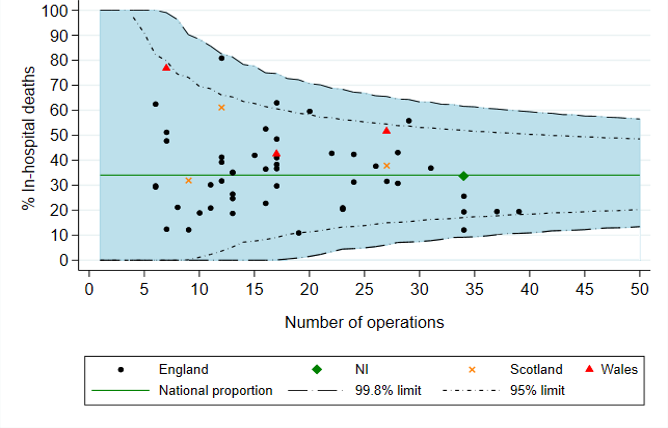
For people with ruptured AAA treated in 2023-25, the overall in-hospital postoperative mortality rate of 34.0% continues to highlight the serious nature of this condition (Figure 5). The mortality rates for EVAR and open repairs were 20.2% and 46.3%, respectively, but we caution against comparing these figures for EVAR and open repair because people who have open procedures may represent the more complex cases that are unsuitable for endovascular repair. However, there was considerable variation across vascular units in the proportion of procedures performed as EVAR, with around a third of units performing more EVARs than open repairs for ruptured AAA. As such, there may be potential in expanding the use of EVAR for ruptured AAA. The overall proportion of people with ruptured AAA having an EVAR procedure was 46.8% between 2023 and 2025.
Figure 5: Risk-adjusted in-hospital death rate following emergency repair of ruptured AAA between January 2023 and December 2025. Overall in-hospital mortality rate was 34.0%
REVISION AORTIC PROCEDURES
The NVR has collected information on different types of revision procedures that may be required after an initial primary aortic repair procedure (open and endovascular). These procedures are undertaken to address disease progression or complications from the original procedure, and they represent a growing component of vascular unit activity. Between 2023-2025, the NVR received information about 703 elective revision repair type procedures and 344 non-elective revisions. Common elements of these procedures (more than one element can be undertaken) in each revision included:
- Removal (explant) of a previously inserted graft: 52 elective; 50 non-elective
- Insertion of a new stent graft within/alongside the existing graft: 201 elective; 153 non-elective
- Insertion of a new stent graft to extend the repair into the iliac arteries: 246 elective; 83 non-elective
- Embolisation for an endoleak complication after an EVAR procedure: 164 elective; 41 non-elective.
Postoperative in-hospital mortality rates for elective and non-elective revision AAA procedures were 1.3% and 12.8%, respectively.
4. Commentary
The 2026 NVR State of the Nation report highlights a range of challenges experienced by NHS vascular services during 2025. A substantial proportion of patients are waiting longer than recommended for treatment, a situation that has been observed over recent State of the Nation reports. There was also unexplained variation in several areas of care, such as the proportion of people on preventative cardiovascular medication when admitted. More positively, the risk of an adverse postoperative outcome remains low and demonstrate the safe delivery of vascular interventions. We encourage units to investigate options for improving referral pathways, capacity, and working arrangements across vascular surgery, interventional radiology and anaesthesia. We also encourage the VSGBI and BSIR to engage with health boards and Integrated Care Boards to ensure vascular units are provided with an environment for them to meet recommended standards for this group of patients.
The mix of procedures within vascular units differed considerably. This will partly relate to different incidence rates within the communities around a vascular unit, as well as its capacity. However, the variation in the use of endovascular and open procedures for elective repair of intact infrarenal AAA and lower limb revascularisation raises questions about whether people with similar indications are receiving similar decision-making processes (appreciating that not all patients are suitable for all procedure types).
A potential opportunity to improve secondary prevention was highlighted by the sizeable minority of patients admitted for arterial procedures that were not receiving antiplatelet or statin medication. Most people undergoing treatment for atherosclerotic vascular disease are at risk of subsequent cardiovascular events and, in the absence of contraindications or medication intolerance, guidelines recommend antiplatelet and lipid-lowering therapy as part of an individual’s long-term management. Admission for a vascular procedure therefore provides an opportunity to review secondary prevention medication, identify reasons for non-treatment, and initiate or optimise therapy where appropriate.
Finally, variation between vascular units was identified for other aspects of the preoperative pathway and the use of beds / day-case facilities, and reducing areas of unwarranted variation could improve efficiency.
The data entered onto the NVR was generally of high quality, but there are various areas which should be priorities for NHS vascular units and vascular networks to improve. We highlight the need to ensure (1) the complete entry of endovascular lower limb revascularisation procedures, and (2) asking patients’ permission to submit NHS/CHI/H&C numbers as these identifiers enable the linkage of NVR records with external data sources. The proportion of NVR records containing the patient’s national identifier was 79% in 2025; compared to 93% in the National Joint Registry.
This report was prepared by
Clinical Effectiveness Unit, The Royal College of Surgeons of England
Mr Sam Waton, NVR Project Manager
Dr Amundeep Johal, Senior Statistician
Dr Qiuju Li, Research Fellow in Medical Statistics
Dr Frances Sheehan, NVR Clinical Research Fellow
Dr Panagiota Birmpili, NVR Clinical Research Fellow
Prof David Cromwell, CEU Director
Vascular Society of Great Britain and Ireland (VSGBI)
Prof Colin Bicknell, Consultant Vascular Surgeon
British Society of Interventional Radiology (BSIR)
Dr James Harding, Consultant Interventional Radiologist
| The Royal College of Surgeons of England is an independent professional body committed to enabling surgeons to achieve and maintain the highest standards of surgical practice and patient care. As part of this, it supports Audit and the evaluation of clinical effectiveness for surgery. Registered charity no: 212808. The RCSEng managed the publication of the 2026 State of the Nation Report. |
| The Vascular Society of Great Britain and Ireland is the specialist society that represents vascular surgeons. It is one of the key partners leading the audit. Registered charity no: 1102769. |
| The British Society of Interventional Radiology is the specialist society that represents interventional radiologists. It is again, one of the key partners leading the audit. Registered charity no: 1084852. |
Commissioned by
 | The National Vascular Registry is commissioned by the Healthcare Quality Improvement Partnership (HQIP) and funded by NHS England and Welsh Government as part of the National Clinical Audit and Patient Outcomes Programme Registered charity no: 1127049. |
Copyright All rights reserved. No part of this publication may be reproduced in any form (including photocopying or storing it in any medium by electronic means and whether or not transiently or incidentally to some other use of this publication) without the written permission of the copyright owner. Applications for the copyright owner’s written permission to reproduce any part of this publication should be addressed to the publisher.
Copyright © Healthcare Quality Improvement Partnership, November 2026
Please cite this report as: Waton S, Johal A, Li Q, Sheehan F, Birmpili P, Cromwell DA, Harding J, Bicknell CD. National Vascular Registry: 2026 State of the Nation Report. London: The Royal College of Surgeons of England, November 2026.